Malabar grey hornbill

The Malabar grey hornbill (Ocyceros griseus) is a hornbill endemic to the Western Ghats and associated hills of southern India. They have a large beak but lack the casque that is prominent in some other hornbill species. They are found mainly in dense forest and around rubber, arecanut or coffee plantations. They move around in small groups, feeding on figs and other forest fruits. Their loud cackling and laughing call makes them familiar to people living in the region.


Description

The Malabar grey hornbill is a large bird, but mid-sized for a hornbill, at 45 to 58 cm (18 to 23 in) in length. It has a 23 cm (9.1 in) tail and pale or yellowish to orange bill.Males have a reddish bill with a yellow tip, while the females have a plain yellow bill with black at the base of the lower mandible and a black stripe along the culmen. They show a broad whitish superciliary band above the eye, running down to the neck. They fly with a strong flap and glide flight and hop around heavily on the outer branches of large fruiting trees. They have brown-grey wings, a white carpal patch and black primary flight feathers tipped with white. The Indian grey hornbill, which is found mainly on the adjoining plains, is easily told apart by its prominent casque, and in flight by the white trailing edge of the entire wing. The Malabar grey hornbill has a grey back and a cinnamon vent. The long tail is blackish with a white tip, and the underparts are grey with white streaks. The long curved bill has no casque. Immature birds have browner upperparts and a yellow bill. Young birds have a dull white or yellow iris.

Their loud calls are distinctive and include "hysterical cackling", "laughing" and "screeching" calls. (About this sound Cackle calls (help·info) About this sound Screeches

Distribution 
The Malabar grey hornbill is a common resident breeder in the Western Ghats and associated hills of southern India. They are found mainly in dense forest habitats; the thinner dry forest habitat of the plains is typically occupied by the Indian grey hornbill. The Sri Lanka grey hornbill was included with this species in the past, but is now considered distinct.

Behaviour and ecology
This hornbill is found in small groups mainly in habitats with good tree cover. Being large frugivores, they are important as seed dispersal agents for many species of fruit bearing forest trees. They also feed on small vertebrates and in captivity they will readily take meat.

Breeding

The breeding season is January to May. Being secondary cavity nesters (incapable of excavating their own nests), they find trees with large cavities. A study in the Anaimalai Hills showed that the species preferred nest sites that had large trees. The nest holes were usually found in large trees with hollows caused by heart-rot, where a branch had broken off.Trees of the species Lagerstroemia microcarpa, Terminalia bellirica and Terminalia crenulata were found to hold nearly 70% of all the nests in the Mudumalai area. The species is monogamous, and the same nest sites are used by the pair year after year. The female incarcerates herself within the cavity by sealing its entrance with a cement made from her droppings. The female then lays three or sometimes four white eggs and begins a complete moult of her flight feathers. The entrance to the nest retains a narrow aperture through which the female voids excreta and receives food from the male. The male brings all the food needed for the female and the young. Berries, insects, small rodents and reptiles are included in the diet. Males tap the tree to beckon the female on arriving with food.Berries are regurgitated one at a time and shifted to the tip of the bill before being passed to the female.

Coppersmith barbet

The coppersmith barbet, crimson-breasted barbet or coppersmith (Megalaima haemacephala), is a bird with crimson forehead and throat which is best known for its metronomic call that has been likened to a coppersmith striking metal with a hammer. It is a resident found in the Indian subcontinent and parts of Southeast Asia. Like other barbets, they chisel out a hole inside a tree to build their nest. They are mainly fruit eating but will take sometimes insects, especially winged termites.

Description

This species of barbet is found to overlap in range with several larger barbets in most of South Asia. In the Western Ghats, it partly overlaps with the Malabar barbet which is of a very similar size but having a more rapid call. The red forehead, yellow eye-ring and throat patch with streaked underside and green upperparts, it is fairly distinctive. Juveniles are duller and lack the red patches. The sexes are alike. The Sri Lankan form has more black on the face, more red on the breast and darker streaks on the underside.

During the nesting season, the wear and tear on the feathers can cause the plumage of the upper back to appear bluish.

Within the Old World Megalaima barbets, they are found to be basal in phylogenetic analyses. Most of the remaining Asian species are more recent in their divergence and speciation.

About nine subspecies are well recognized.

nominate haemacephala (P. L. S. Müller, 1776) is found in the Islands of the Luzon and Mindoro in the Philippines
indica (Latham, 1790) is found in the Indian subcontinent form northeastern Pakistan and extends into Sri Lanka and Vietnam. Several former supspecies from India are synonymized into indica.
The remaining are island populations in Southeast Asia

delica (Parrot, 1907) Sumatra
rosea (Dumont, 1816) Java
homochroa Dziadosz & Parkes, 1984 from Tablas
celestinoi Gilliard, 1949 from Catanduanes, Biliran, Samar, Leyte
intermedia (Shelley, 1891) from Panay, Guimaras, Negros
cebuensis Dziadosz & Parkes, 1984 from Cebu
mindanensis Rand, 1948 from Mindanao
Habitat and distribution[edit]
Throughout their wide range they are found in gardens, groves and sparse woodland. Habitats with trees having dead wood suitable for excavation is said to be important. Birds nest and roost in cavities.

In the Palni Hills of southern India it is said to occur below 4000 feet. In the Himalayas it is found mainly in the valleys of the outer Himalayas up to 3000 feet. They are rare in the dry desert zones and the very wet forests.

Behaviour and ecology

Keeps solitary, pairs, or small groups; larger parties occasionally on abundantly fruiting Ficus trees. Fond of sunning themselves in the morning on bare top branches of tall trees, often flitting about to sit next to each other. The flight is straight, with rapid flaps.

They compete with other cavity nesting birds and frugivores. Megalaima asiatica have been noted to evict them from their nest holes, while red-vented bulbuls have been seen to indulge in kleptoparasitism, robbing the male of berries brought to the female at the nest.

The nest holes are also used for roosting and some birds roost alone in cavities and these often roost during part of the day. Immatures will roost with the parents but often return to roost early so as not to be prevented by the parents from entering the roost cavity.

Vocalization
The call is a loud rather metallic tuk…tuk…tuk (or tunk), reminiscent of a copper sheet being beaten, giving the bird its name. Repeated monotonously for long periods, starting with a subdued tuk and building up to an even volume and tempo, the latter varying from 108 to 121 per minute and can continue with as many as 204 notes. They are silent and do not call in winter.

The beak remains shut during each call - a patch of bare skin on both sides of the throat inflates and collapses with each tuk like a rubber bulb and the head is bobbed.

Diet

Prefers Banyan, Peepul, and other wild figs, various drupes and berries, and the occasional insect, caught in aerial sallies. Petals of flowers may also be included in their diet. They eat nearly 1.5 to nearly 3 times their body weight in berries each day.

Breeding
Courtship involves singing, puffing of the throat, bobbing of the head, flicking of the tail, ritual feeding and allopreening.

They breed through much of the year with local variation. The breeding season is mainly February to April in India and December to September in Sri Lanka. Both sexes excavate the nest on the underside of a narrow horizontal branch. They may also roost inside the nest holes.Three or four eggs are laid and like in many hole nesting birds the incubation period is not well known but has been estimated to be about 2 weeks. Both sexes incubate. Often two broods are raised in quick succession.

Mortality factors
Adult birds are sometimes taken by predatory species. In urban areas, there are records of collisions with structures including white walls.Pesticide poisoning has also been noted.

Malabar barbet

The Malabar barbet (Megalaima malabarica) is a small barbet found in the Western Ghats of India. It was formerly treated as a race of the crimson-fronted barbet. It overlaps in some places with the range of the coppersmith barbet (Megalaima haemacephala)

Description

This species can be told apart from the coppersmith barbet by the crimson face and throat. The call notes are more rapidly delivered than in the other species

Distribution and habitat

This species is found in the Western Ghats from around Goa south to southern Kerala in moist evergreen forest mainly below 1200 m elevation. They are also found in coffee estates. They often visit fruiting Ficus species, joining flocks of green pigeon and mynas

Behaviour and ecology

These birds are usually seen in pairs during the breeding season but are gregarious in the non-breeding season. In flight, their straight and rapid flight can resemble that of lorikeets. The breeding season is mainly February–March prior to the rains. The nest hole is excavated on the underside of thin branches. It takes about 18 days to excavate the nest. These nest holes are often destroyed by larger barbets that may attempt to enlarge the hole. A nest is made each year. Multiple holes may be made and any extra hole may be used for roosting. Two eggs are laid in a clutch. They are incubated for 14 to 15 days. Eggs may be preyed upon by palm squirrels (Funambulus sp.) and they are usually chased away by the adult birds. Unhatched eggs are removed by the parents. For the first week the chicks are fed insects after which they are fed fruits. The chicks fledge in about 35 days.


The species feeds mainly on fruits but sometimes takes grubs, termites (flycatching at emerging swarms of alates), ants and small caterpillars. In Kerala, the fruiting trees were limited mainly to Ficus species, especially Ficus retusa, Ficus gibbosa and Ficus tsiela. When feeding on small fruits, they tend to perch and peck rather than to swallow the fruit whole. In the non-breeding season, they join mixed-species foraging flocks

White-cheeked barbet

The white-cheeked barbet or small green barbet (Megalaima viridis) is a species of barbet found in southern India. It is very similar to the more widespread brown-headed barbet (or large green barbet) (Megalaima zeylanica) but this species has a distinctive supercilium and a broad white cheek stripe below the eye and is endemic to the forest areas of the Western Ghats and adjoining hills. The brown-headed barbet has an orange eye-ring but the calls are very similar and the two species occur together in some of the drier forests to the east of the Western Ghats. Like all other Asian barbets they are mainly frugivorous although they may sometimes eat insects and they use their bills to excavate nest cavities in trees.

Description
Like many other barbets of Asia, these are green, sit still and perch upright making them difficult to spot. During the breeding season which begins at the start of summer their calls become loud and constant especially in the mornings. The call, a monotonous Kot-roo ... Kotroo... starting with an explosive trrr is not easily differentiated from that of the brown-headed barbet. During hot afternoons, they may also utter a single note wut not unlike the call of collared scops owl or coppersmith barbet. Other harsh calls are produced during aggressive encounters.

The head is brownish streaked with white, sometimes giving it a capped appearance. The bill is pale pinkish. The length is 165-185mm, head of 51-53mm and tail of 60-67mm. Size varies from the larger northern birds to the southern ones.

These birds are mostly frugivorous, but will take winged termites and other insects opportunistically. They feed on the fruits of various Ficus species including Ficus benjamina and Ficus mysorensis,and other introduced fruit trees such as Muntingia calabura. When foraging they are quite aggressive and will attempt to chase other barbets, koels and other frugivores.

Distribution
The main range is along the Western Ghats south from the Surat Dangs and along the associated hills of southern India into parts of the southern Eastern Ghats mainly in the Shevaroy and Chitteri hills.In some areas such as in the city of Bangalore, it has been suggested that this species may have displaced the brown-headed barbet which was once said to occur there.

Behaviour and ecology

Like woodpeckers, the barbets perch on tree trunk in which they may hollow their nest. The rictal bristles around the beak are prominent.
These birds are primary cavity nesters, chiseling out the trunk or a vertical branch of tree with a round entry hole. They breed from December to July, sometimes raising two broods. Favoured nest trees in urban areas include Gulmohur Delonix regia and African Tulip Spathodea campanulata. These nest holes may also be used as roosts.They may reuse the same nest tree each year but often excavate a new entrance hole.

These barbets play an important role in forests as seed dispersal agents. They also visit the flowers of Bombax for nectar and may be involved in pollination.

These barbets are arboreal and will rarely visit the ground. They obtain most of the water they need from their fruit diet. When water is available in a tree hole, they will sometimes drink and bathe.

Their fruit eating makes them a minor nuisance in fruit orchards although they are noted as having a beneficial effect in coffee plantations.

A species of tick in the genus Haemaphysalis is known to be specific in its parasitic association with this speciesand some species of Leucocytozoon are known to be blood parasites.Some species of Haemaphysalis are known to carry the virus responsible for the Kyasanur forest disease.Shikras have been recorded preying on adults.

Salim Ali noted that some birds may call in the night during the breeding season, but this has been questioned by other observers such as K K Neelakantan who note that these birds appear to be strictly diurnal.

Courtship and breeding
In southern India (Periyar Tiger Reserve) these barbets begin breeding in December and continue to nest until May. This species is believed to form a pair bond that lasts for longer than a single breeding season. Calling is intense during the courtship period. Courtship feeding of the female by the male is usual prior to copulation. Calling intensity drops after the hatching of the eggs.

The nest hole is usually made in dead branches. These barbets are aggressive towards smaller hole-nesters such as the Malabar barbet, sometimes destroying their nests by pecking at the entrance. Both sexes excavate the nest and it can take about 20 days to complete the nest. Eggs are laid about 3–5 days after nest excavation. About 3 eggs are laid. The incubation period is 14 to 15 days. During the day both sexes incubate but at night only the female sits on the eggs. The pair will defend their nests from palm squirrels which sometimes prey on the eggs. Chicks are fed an insect rich diet. The young leave the nest after 36 to 38 days.

The 11 Giant Wild Animals of

The rich and varied biodiversity of India is an ideal place for the great and giant wild animals in India. A great variety of animal life can be seen in India, including mammals, birds and reptiles. Indian rivers, hills,valleys and the dense forest are help these wild animals to go giant. Some of the big wild animals in India are Indian Python, Indian Bullfrogs, Giant Indian Goonch (Catfish), Indian Spotted Eagle, Himalayan Bearded Vulture, Emu, Sarus Crane – The World’s tallest flying bird and Nilgai the biggest antelope in India. Due to the loss of habitat and deforestation the giant animals of India are falling into the category of endangered species. The beautiful and giant wild birds, insects, reptiles and animals are the only wealth of county,which should not be lost.

bcontinent

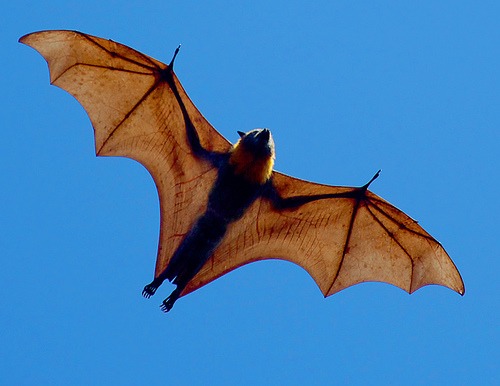
IndianFlyingFox

 The Great Indian Fruit Bat also called as Indian flying fox is the largest bat in the world, with a wingspan of 1.2 and 1.5 meters. Giant Indian flying fox eats only fruit like mangoes and bananas, The giant bat of India lives in colonies with few hundred bat in deep forests of Western Ghats. The Salim Ali Bird Sanctuary of Kerela and Goa are home for the endangered species of Indian flying fox. There are two species of fruit bats found in India, another one is the Great Himalayan horseshoe bat.

GreatIndianBustard

The Great Indian bustard is the heaviest flying birds in the world. The rarest bird of Indian sub continent is found only in some parts of Gujarat, Maharashtra and Rajasthan. Due to poaching and habitat deterioration,the greatest bird of India fall into the category of endangered species of birds. The India’s giant bird is protect in Desert National Park and declared as the state bird of Rajasthan.

GreatIndianHornbills

The rare Great Indian Hornbills are fruit-eater birds found mainly in part of east India. The Great Pied Hornbill is one of the largest and beautiful member of the hornbil family. Giant bird is one of the major avian attractions of the Mundanthurai Wildlife Sanctuary. Arunachal Pradesh valley’s are also the happy home of the great Indian hornbills and the bird is declared as the state bird of Arunachal Pradesh.

GreatHornedOwl

The India’s Great Horned Owl is the biggest owl found in hilly and rocky scrub forests of India. Its is also known as hill or rocky owl, this is one of the bird who prey in nights and this is one the best flying predator found in India. Wildlife safari into the superb national parks of India is the best way to explore this night bird. The Great Indian horned owl is one of the most formidable aerial predators of the Indian forest. Killing and capturing of these birds is illegal under Indian law.

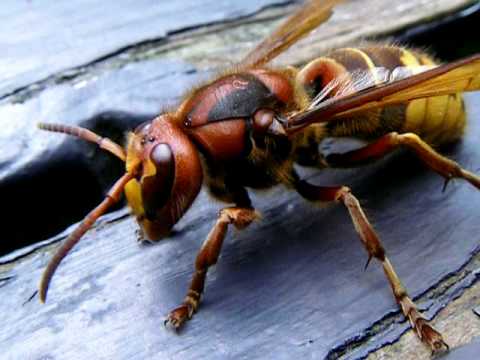
GreatIndianHornets

The Asian giant hornet is the world’s largest hornet and a native of India and neighbour countries. The Giant Indian hornets is the biggest wasp in the world, the sting is about 6 mm in length and injects with venom. Giant hornet sting bite is one of the most painful bite of insects found in India.

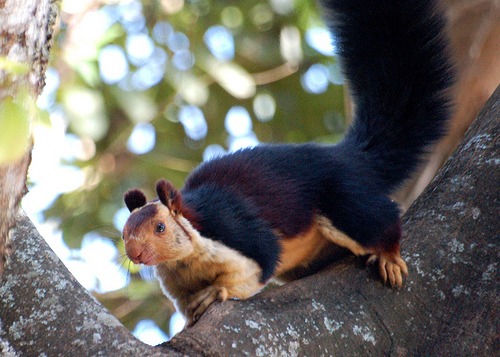
GiantIndianSquirrel

Indian Giant Squirrel is a large tree squirrel that lives in malabar area of India, so also known as malabar giant squirrel. The Indian giant squirrel, ratufa indica is the largest squirrel in the world. The giant squirrel is considered as one of the endangered species of squirrel in India. Giant squirrels live only in branches of higher trees of dense forests of Western Ghats and rarely come to the ground. The giant squirrel of India is the state animal of Maharashtra and protect in Bhimashankar wildlife sanctuary near green city pune.

GiantKingCobra

Indian King cobra is found mostly in rain and deep forested areas of land of God, Kerala and other plains part of south India. The King Kobra is longest venomous snake in the world with a length of around 5 to 5.5 meters or 17 to 18 feet, its body is extremely beautiful and attractive. The Giant King Cobra is the biggest snake in India and one of the most dangerous snake in the world. Another big snake of India is Indian Python, who is counted as one of the largest species of snake found in India.

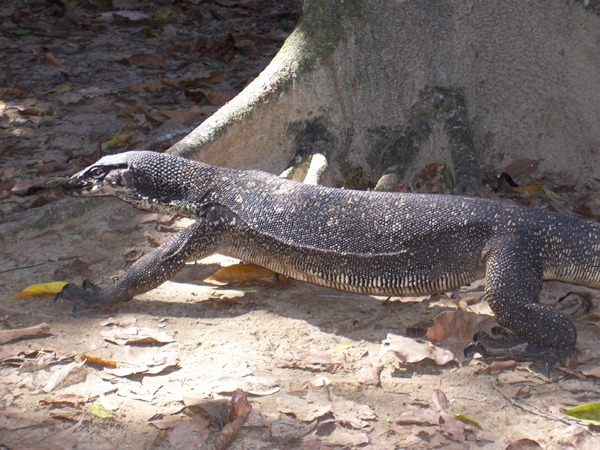
GiantMonitorLizards

The Bengal Monitor lizard, also known as the common Indian monitor lizard is about 75 cms in body and with the tail about 100 cms in length. The Giant monitor lizards lives in the Indian state of Tamil Nadu and all other parts of South India. It is one of the largest reptiles found in India, killing of monitor lizards is banned in India.

GiantBlackScorpion

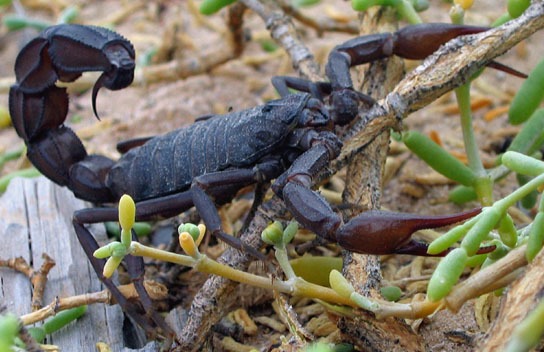
The Giant Indian black scorpion is the largest scorpion found in India and can reach to almost 1 ft in length. Indian forest scorpion is one of the most deadliest animals of India after the krait snake. It is different from giant desert hairy scorpion.

GiantWoodSpider

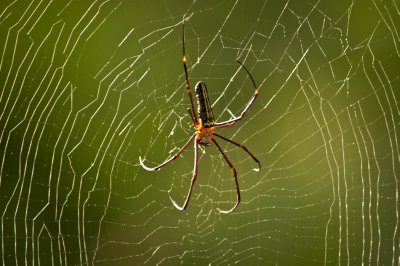
The giant Indian wood spider are the largest spider found in India with a length of about three inches. Great spider mostly found in India and in other Asian countries. The females giant spider weave the biggest webs in India. Web is used for prey like flying insects,butterfly even a bird can also stuck in a web of a giant wood spider.

GiantIndianMantis

The Great Indian mantis is the biggest mantis found in India and other Asian countries. Size of the giant Asian mantis species can measures roughly 100 mm. The habitat for this great mantis is mainly mainly shrubs and trees, Mantis varies in colours depending on the habitat.

A Perfect Weekend Getaway From Jaipur – Ranthambore National

Tiger, Fort and the big Banyan Tree inside the wildlife National Park are major attraction of the Ranthambore National Park of Rajasthan. रणथंभौर राष्ट्रीय उद्यान Ranthambhore is one of the largest national parks in northern India and famous for great variety of animals in a peaceful setting National Park is famous for its Royal Bengal Tigers and best place in India to spot wild tigers in open forest.

Fort

Ranthambore_Fort
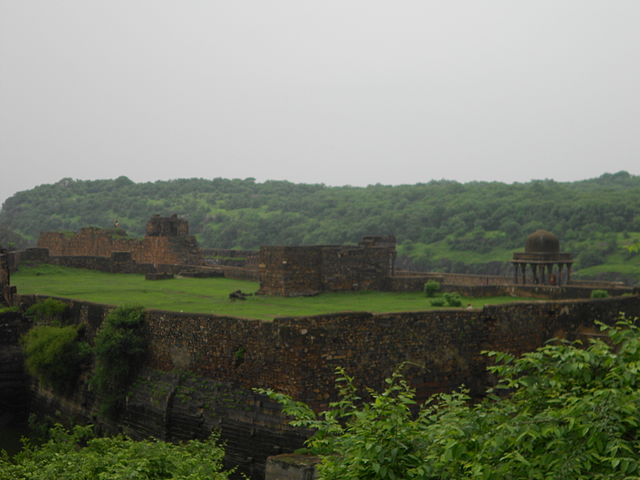
Ranthambore Fort is the World Heritage Site Hill Forts of Rajasthan and lies within the Ranthambore National Park. This fort stands majestically atop a hill overlooking the entire park and ranked among the major attractions in Rajasthan.

Tigers

Ranthambore_Tiger
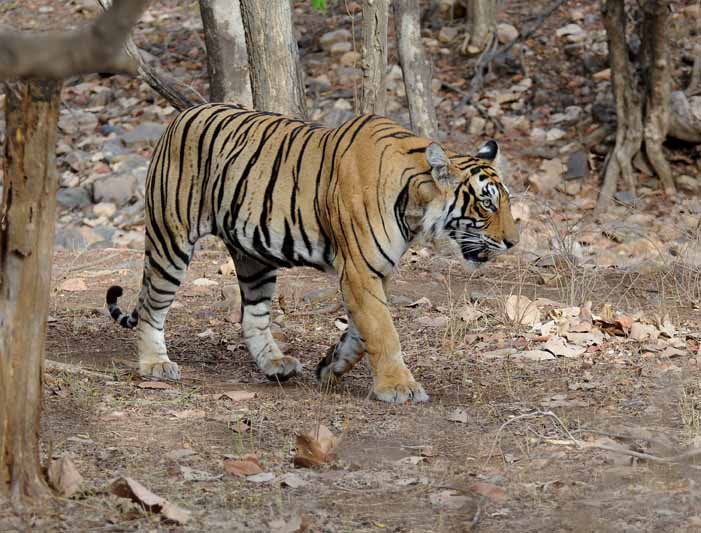
The Ranthambore Tiger Territory is famous for so many Tigers Stories such as Machali -T 16 and Sundari -T 17. Machali is the royal tigress and the pride of Ranthambore National Park and the most photographed tigress in the world, Her legendary fight with 14 foot long crocodile has really created a history. There are so many famous Tigers’ story of Ranthambore National Park.

Wildlife

Ranthambore_birds
Ranthambore is best known for its large tiger population but there are other pride of the park as well such as thriving bird population with more than 270 species,Indian wild boar,Sambar deer,Hulman and the most enigmatic predator the leopard. Image Source: Trip-Thirsty

BanyanTree

Ranthambore_Banyan_Tree
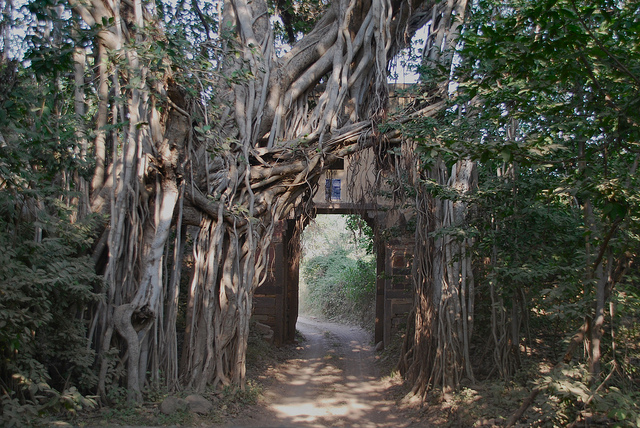
Ranthambhore National Park is one of the site of majestic Banyan tree and one of the largest in India, stands just behind the Jogi Mahal. The second-largest banyan tree of India is the major attraction of Ranthambore park along with an ancient gate.

PadamTalao

Ranthambhore_Padam_Talao
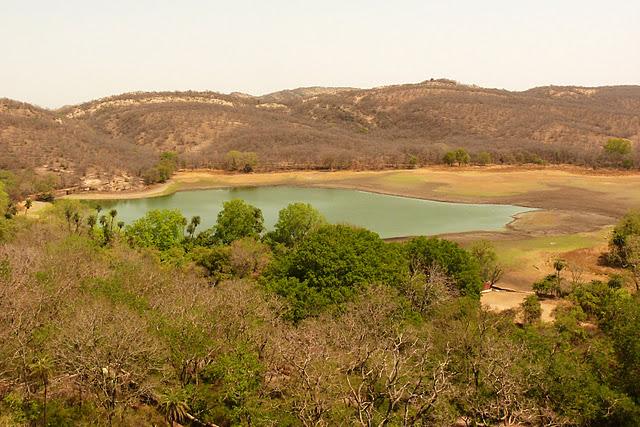
The Padam Talao and the Raj Bagh lake are two major source of water in Ranthambore National Park, It is largest lake of the all the lakes located inside the park and the major tourist attraction of the park for lotus flowers that bloom in the lake.

AravaliRange

Ranthambhore_Aravali_range
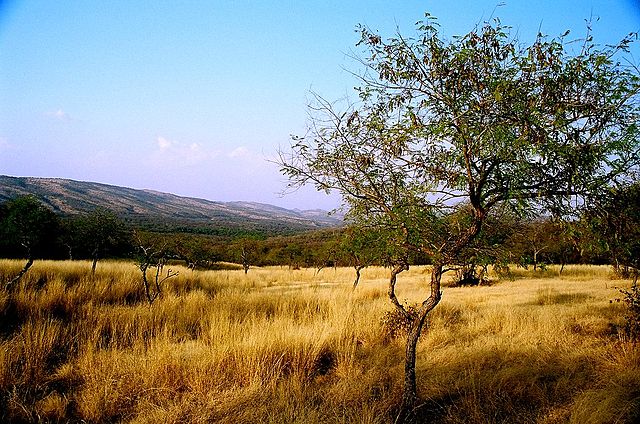
Aravali Range run through the Ranthambhore National Park and offers most amazing view of the range and forest. The Aravali range are the oldest fold mountains in India and one of the world’s oldest mountain ranges with highest peak is Guru Shikhar in Mount Abu in Rajasthan.

KachidaValley

Kachida Valley is located at the northwestern fringes of the Ranthambore National Park. It is marked by numerous rocky outcrops and low hills, the valley is located near the outskirts of the park but lesser known locale within the park with some amazing views.
Source: http://www.walkthroughindia.com/wildlife/a-perfect-weekend-getaway-from-jaipur-ranthambore-national-park/

SafariRides

Month/TimeMorning TripEvening Trip
1st October to 31st January
7.00 A.M. to 10.30 A.M
2.30 P.M. to 6.00 P.M
1st February to 30June
6.00 A.M. to 9.30 A.M
3.30 P.M. to 7.00 P.M